ROOTED HERE
The history of Castle Rock
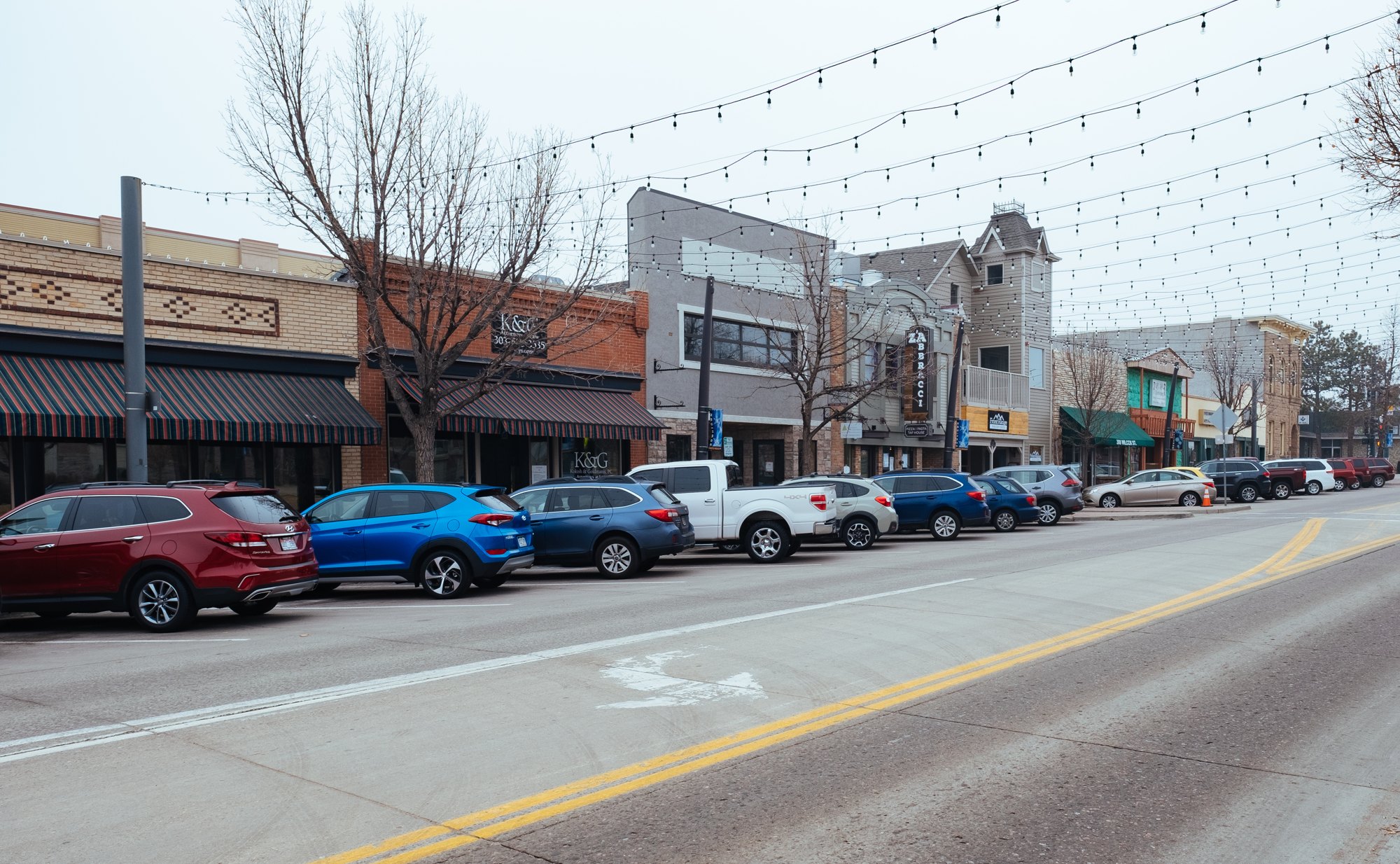
Castle Rock is the seat of Douglas County, Colorado, named for its prominent castle-shaped butte. Its downtown, Castle Rock Historical Museum and Philip S. Miller Park connect local history with outdoor plans.
People who shaped Castle Rock
These milestones are an introduction, not a complete local history. Follow the linked city and museum sources to explore the people and places behind them.Read the local historical account.
Watch the city’s history

FROM THE ARCHIVES
A Brief History of Rhyolite in Castle Rock
Castle Rock Museum staff explain the local rhyolite quarrying industry and its nineteenth-century importance.
Watch on YouTube ↗Famous people born in Castle Rock
See all 8 famous people


- Before the town
A foothills landscape
The Front Range foothills provided water, vegetation and game for Native communities. Later settlers were drawn by mineral prospects and land, while local rhyolite became a valuable building material.
Town of Castle Rock ↗ - 1874
Gould's land donation
Jeremiah Gould donated 120 acres for Castle Rock. Streets and a courthouse square were laid out, and seventy-seven lots were sold at auction, establishing the new townsite.
Town of Castle Rock ↗ - 1874
Castle Rock becomes the county seat
When Elbert County was formed from the eastern part of Douglas County, voters moved the county seat to Castle Rock. Frankstown, a settlement on Cherry Creek, had held the role until then.
Douglas County: a brief history ↗ - 1875
A railway depot
The Denver and Rio Grande connection brought supplies for ranchers and carried products outward. Rhyolite from local quarries and cheese from nearby dairy farms were among its shipments.
Town of Castle Rock ↗ - 1897
A rhyolite schoolhouse
Castle Rock's two-story school was completed using locally quarried rhyolite in shades of pink, tan and gray. Listed on the National Register in 1984, it is the area's leading example of the Italian Villa style.
History Colorado: Castle Rock Elementary School ↗ - 1901
The Keystone Hotel
The two-story Keystone Hotel, built of local rhyolite and enlarged in 1910, was for many years the only hotel in town and a community gathering place. It was listed on the National Register in 1997.
History Colorado: Keystone Hotel ↗ - 1904
A Romanesque bank
Denver architect George Bettcher designed the First National Bank of Douglas County, faced with Castle Rock rhyolite on both street sides. It is the town's only known architect-designed Romanesque Revival building.
History Colorado: First National Bank of Douglas County ↗ - 1936
A star atop the Rock
During the Great Depression, the community put a lighted star on the Rock to draw travelers on today's Interstate 25 into town. Volunteer firefighters hauled the materials up the butte, and the fire department still maintains it.
Town of Castle Rock: The Star ↗ - 1970
The depot is moved
The historic depot was relocated from beside the tracks to Elbert Street. Moving the building preserved a tangible link with the town's early transportation economy.
Visit Castle Rock ↗ - 1996
A museum in the old depot
The historical society restored the depot for use as a local-history museum. The building now helps interpret the quarrying, ranching and railway communities that shaped Castle Rock.
Visit Castle Rock ↗
See the history for yourself.
Check current opening hours and visitor information before you go: Castle Rock Historical Society and Museum.
For local services and public information, the local government website is a starting point. For historical research, consult local libraries, archives and museums and check collection-specific image permissions.
Selected milestones from the linked historical sources. This is an introduction, not a complete account of the city’s history.